


A Stroll through the Literary Quarter

Madrid Old Town and Literary Quarter private walking tour

Madrid is a city that reveals itself slowly.

On this private walking tour of Madrid through the Old Town and the Literary Quarter, we will walk through the streets where the city grew from a small medieval town into the capital of Spain. But beyond the monuments and the well-known landmarks, what I hope to share with you is something deeper: the character of Madrid itself.

Our walk begins in Plaza de Oriente, one of the most elegant squares in the city, framed by the Royal Palace and its gardens. From here we step into the maze of streets that form the historic center — a place where history is not only preserved in buildings, but also in stories, traditions and everyday life.

I was born and raised in Madrid, and guiding here means much more to me than simply explaining monuments. It means helping visitors understand the layers of history that shaped this city, and the small details that often go unnoticed.

This private walking tour in Madrid is designed for curious travelers who prefer a thoughtful and personal experience — one that goes beyond the surface of the city.
Madrid Old Town: where the city began

From Plaza de Oriente we begin our walk through the historic center, tracing the path of Madrid’s early development.

The city started as a small fortified settlement built by the Emir Muhammad I more than a thousand years ago. Over time, it grew into a royal capital, attracting artists, merchants, writers and travelers from across Europe.

As we wander through the narrow streets of Madrid Old Town, you will notice how the city still preserves fragments of its past: hidden corners, centuries-old buildings and small squares that suddenly open between winding streets.

Soon we arrive at Plaza Mayor, the great square that for centuries functioned as Madrid’s public stage. Markets, royal celebrations, theatrical performances and everyday life all unfolded here.

Not far from the square lies La Latina, one of the most traditional neighborhoods in Madrid. Its irregular streets still follow the medieval layout of the city, and today the area is famous for its lively atmosphere and historic taverns.

Along the way, I’ll happily share a few personal recommendations — places where locals still gather to enjoy good food, conversation and the rhythm of Madrid life.
The Literary Quarter: where Madrid found its voice

Our walk continues toward the Literary Quarter (Barrio de las Letras), one of the most evocative neighborhoods in the city.

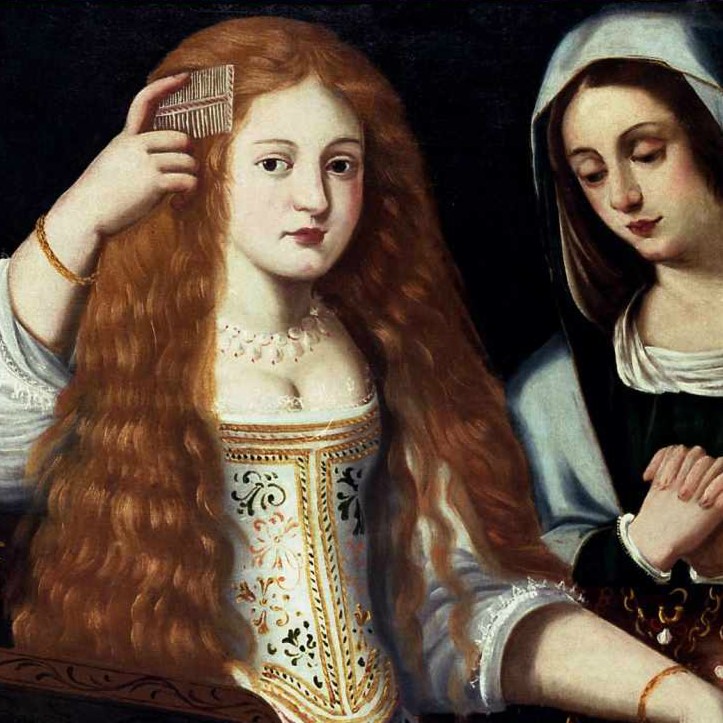
In the 17th century, these streets were home to many of the writers who shaped Spain’s Golden Age of literature. Poets, playwrights and actors lived side by side here, filling the neighborhood with creativity, rivalry and ambition.

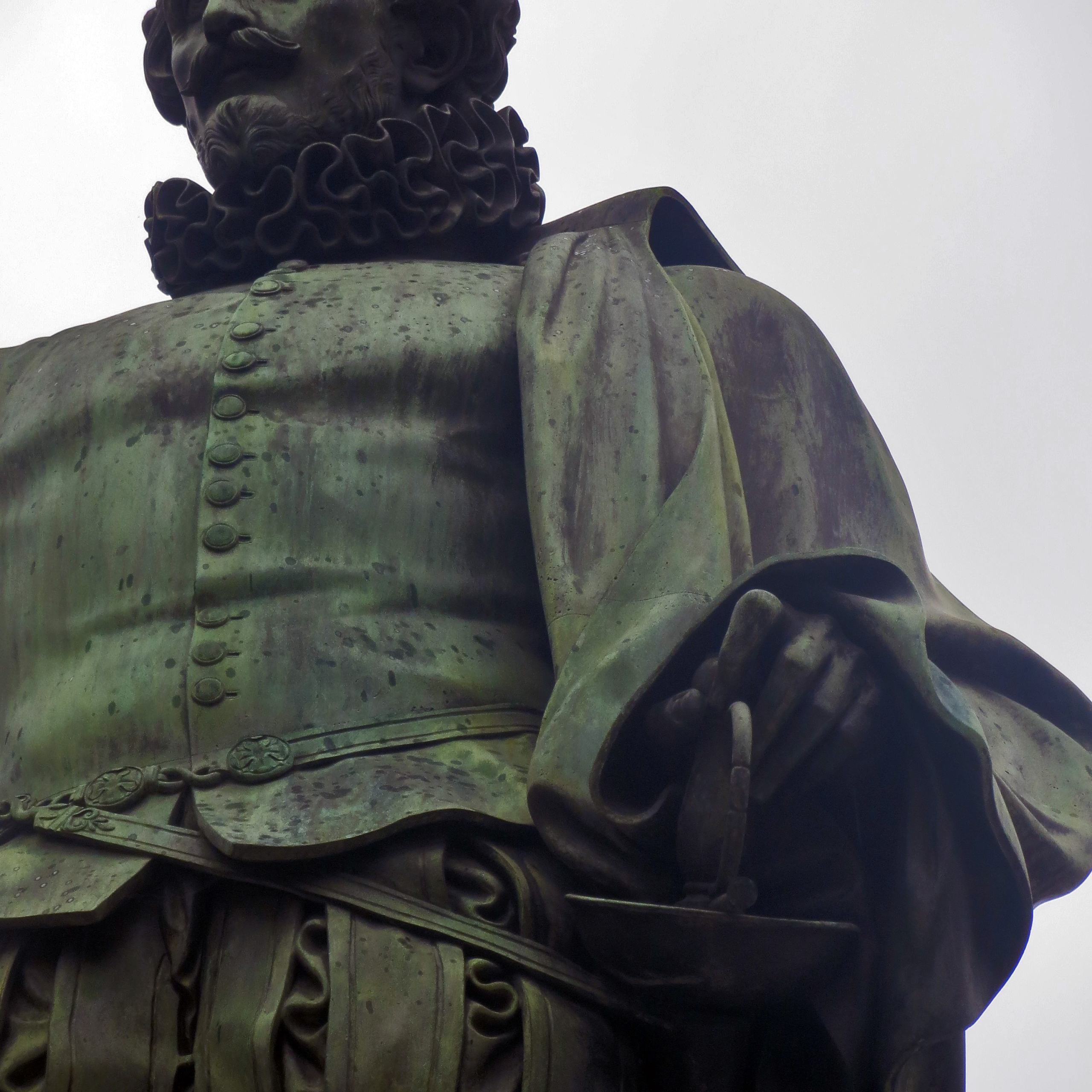
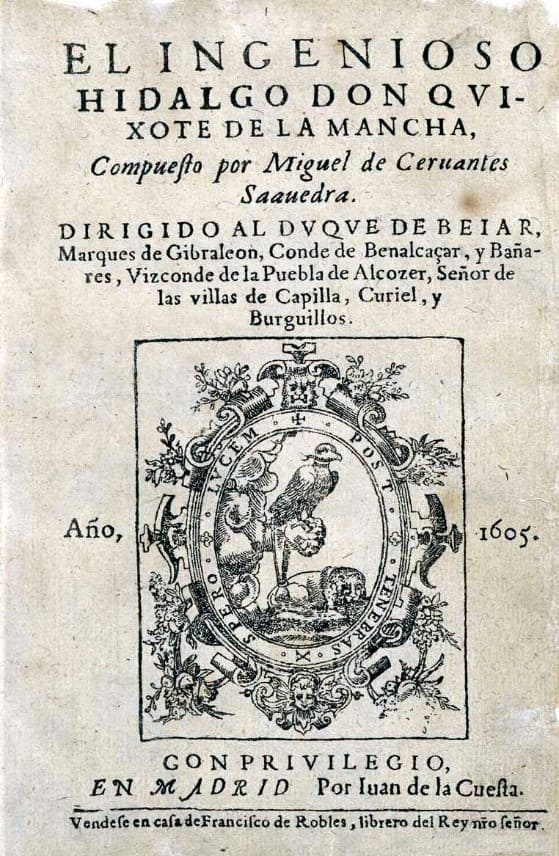
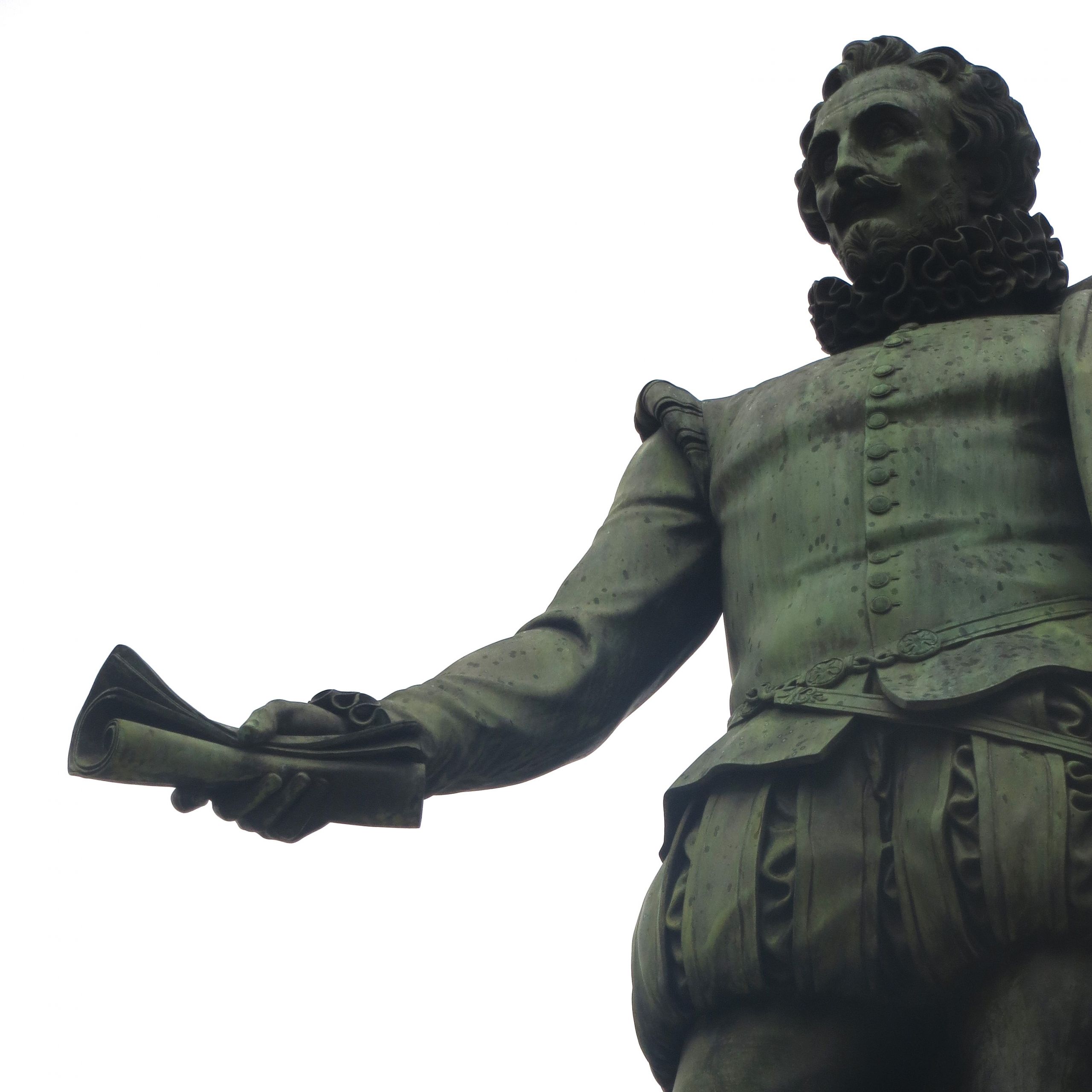
Among them was Miguel de Cervantes, who spent part of his life in this area. Long before Don Quixote made him famous, he wandered these streets trying to earn a living as a writer. It was also here, much later in life, that he finally achieved literary success.

Nearby lived Lope de Vega, one of the most prolific playwrights in Spanish history, whose relationship with Cervantes was — let’s say — not entirely free of rivalry.

Today the Literary Quarter still preserves a special atmosphere. The streets are lively, filled with traditional taverns, restaurants and small cafés, where locals and visitors gather to enjoy Madrid’s food culture and vibrant nightlife.

Walking here feels a little like stepping into another era — one where literature, theatre, conversation and daily life were deeply intertwined.

A private walk through the real Madrid

One of the pleasures of a private walking tour in Madrid is the freedom to slow down.

Instead of rushing from monument to monument, we can take time to notice the small things: a hidden inscription, the story behind a quiet square, the atmosphere of a street that has changed very little over the centuries.

My aim is not simply to list historical facts, but to help you understand the city — how Madrid grew, and why it feels the way it does today.

By the end of the walk, you may find yourself seeing Madrid a little differently: not just as a collection of landmarks, but as a living city shaped by the people who have walked these streets before us.

Tour details and practical information

Duration: 2 hours.

Private group prices:

  • Up to 6 people: 120 €

  • 6 to 10 people: 130 €

  • 11 to 20 people: 150 €

*Local VAT included.

Included: individual radio headsets.

Accessibility: suitable for visitors with reduced mobility.

This is a private walking tour, exclusively for you and your group. The format allows for a more comfortable experience, personal attention and a deeper understanding of the city.

Cancellations and refunds:

Life happens, and sometimes plans change. I want you to feel secure when booking your Old City and Literary Quarter private tour.

Flexible cancellation: Notify me at least 48 hours in advance via WhatsApp or email.

Late cancellations: Booking becomes non-refundable if notice isn’t given on time.

Force majeure: In the unlikely event I must cancel, you can reschedule or receive a full refund.

Booking with confidence means you can focus on the experience ahead—immersing yourself in art, history, and the stories behind the masterpieces, while enjoying every moment of your Old City of Madrid guided tour.

Frequently asked questions

The Literary Quarter (Barrio de las Letras) is one of the most historic neighborhoods in Madrid. During the Spanish Golden Age in the 16th and 17th centuries, many of Spain’s greatest writers lived here, including Miguel de Cervantes and Lope de Vega. Today the area is known for its literary history, beautiful streets, lively atmosphere and excellent restaurants and taverns.

Absolutely. The Literary Quarter is one of the most charming areas in Madrid, combining history, culture and local life. Its streets are full of historic buildings, literary references engraved in the pavement, traditional taverns and vibrant cafés. It’s one of the best places to experience the cultural soul of the city.

Yes, the Literary Quarter is one of the best areas for first-time visitors.

This neighborhood was once home to famous writers like Miguel de Cervantes and Lope de Vega, and today it still feels full of life and character.

Visitors love wandering its narrow streets, discovering literary quotes engraved in the pavement, and stopping at traditional restaurants or historic taverns. It’s a place where history and everyday Madrid life blend naturally.

The Literary Quarter (Barrio de las Letras) is one of the most fascinating neighborhoods in Madrid, full of history, literature and local life. As you explore its streets, there are several places that help bring its past and present to life.

  • Lope de Vega House Museum:

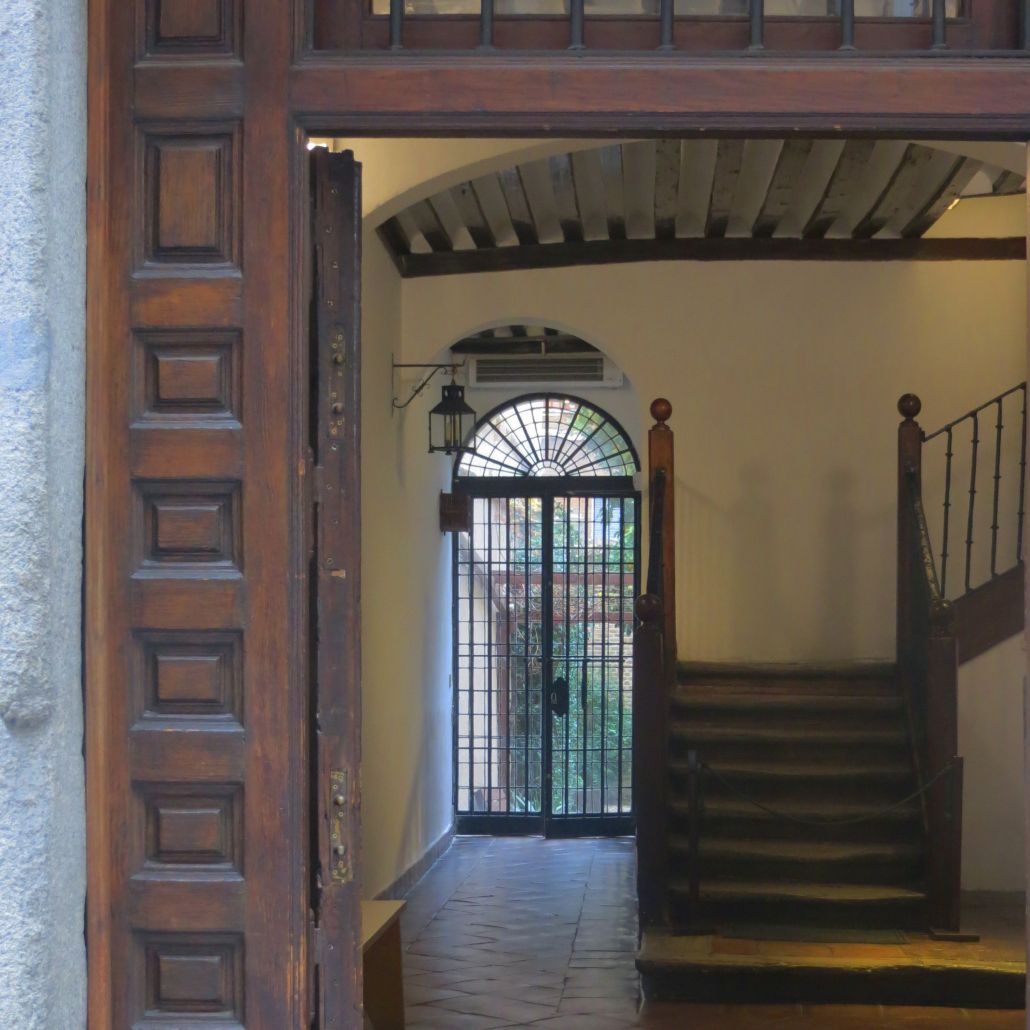
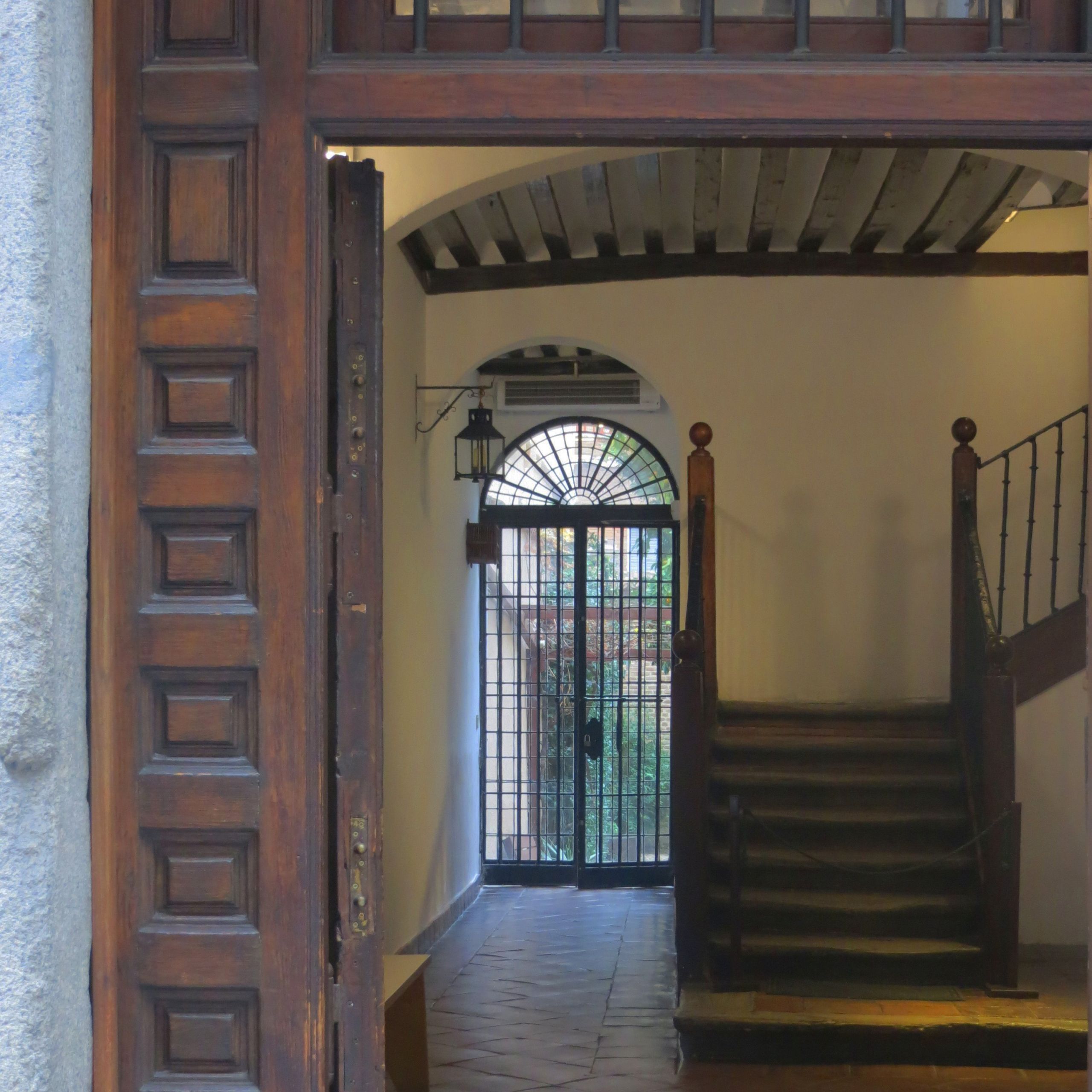
The Casa Museo de Lope de Vega is one of the best places to experience Madrid’s Golden Age. This beautifully preserved house once belonged to the famous playwright Lope de Vega and offers a glimpse into daily life in the 17th century. If the doors are open during our walk, we can also enjoy a look at its charming garden. The interior can be visited on guided tours, and you can find more information on the museum’s website.

  • Federico García Lorca statue:

In Plaza de Santa Ana, you’ll find a statue of the poet and playwright Federico García Lorca, created by sculptor Julio López Hernández in the 1980s. It is a moving tribute to one of the most important Spanish writers of the 20th century, author of works such as The House of Bernarda Alba, Yerma and Poet in New York.

  • The resting place of Miguel de Cervantes:

The Convent of the Trinitarians (Convento de las Trinitarias) is believed to be the burial place of Miguel de Cervantes, the author of Don Quixote. Although the church was heavily renovated in later centuries, it already stood here when Cervantes lived in the neighborhood. According to most historians, he was buried here in April 1616.

  • Unique architecture:

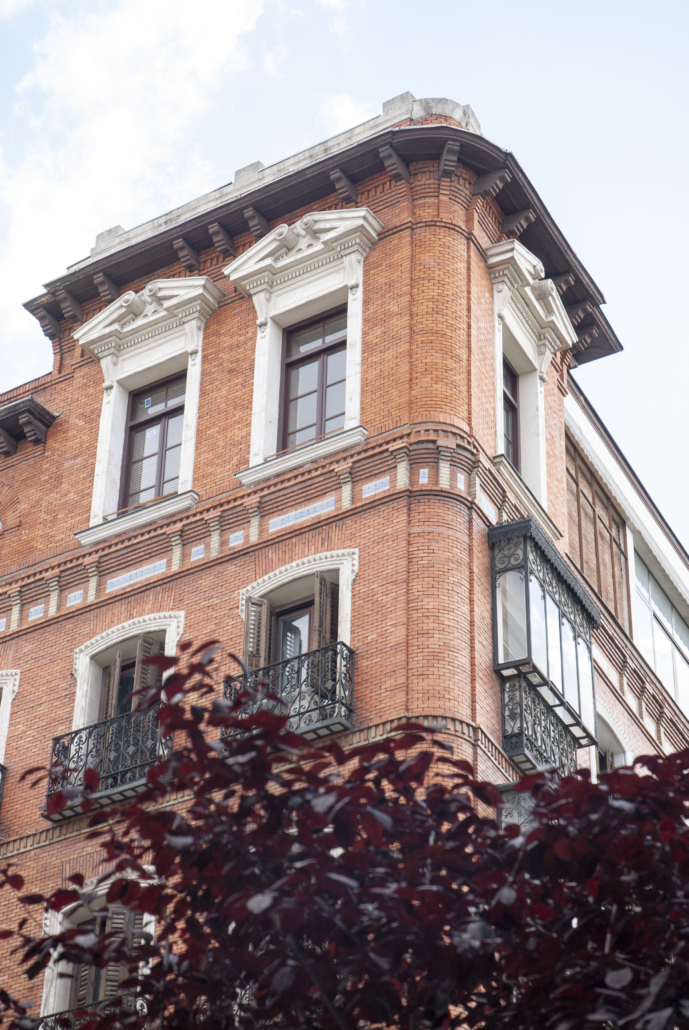
The neighborhood also hides beautiful architectural gems, such as the Casa de Pérez Villaamil in Plaza de Matute, a striking example of early 20th-century modernist architecture, or the nearby Casa Allende, famous for its façade decorated with seashells and its distinctive regional style.

  • Huertas Street and its literary quotes:

Calle Huertas, the main street of the neighborhood, is paved with quotations from famous Spanish writers. As you walk along it, you’ll literally be stepping over lines of poetry and literature from the Spanish Golden Age.

  • Charming local shops:

The Literary Quarter is also full of small independent shops that give the neighborhood its personality. Streets like Calle del León, Calle Lope de Vega and Calle Moratín are lined with bookstores, specialty shops and long-standing businesses that have adapted to the changing life of the neighborhood while keeping its traditional charm.

The most famous street in the neighborhood is Calle Huertas, known for the literary quotes engraved into the pavement.

Other charming streets include Calle del León, Calle Lope de Vega, and Calle Moratín, where you’ll find small independent shops, traditional cafés, and historic buildings that reflect the character of old Madrid.

Simply wandering these streets is one of the best experiences in the area.

Yes, the Barrio de las Letras is one of the best areas in Madrid for food lovers. The neighborhood is full of traditional taverns, tapas bars and excellent restaurants where you can enjoy Spanish cuisine. After the tour, you’ll receive personal recommendations to help you experience the area like a local.

Absolutely. Madrid is one of Europe’s most walkable capitals.

Many of the city’s main attractions are concentrated in the historic center, meaning you can explore places like the Royal Palace, Plaza Mayor, the Prado Museum, and the Literary Quarter on foot. Most of Madrid’s main monuments are within a 30-minute walk of each other.

Walking through Madrid is also the best way to notice the details that give the city its personality: small squares, hidden churches, historic cafés, and centuries-old streets.

If you want to explore the historic center of Madrid on foot, staying near the Literary Quarter is a wonderful choice.

For a more sustainable visit, I always recommend choosing a hotel rather than a tourist apartment or Airbnb. In recent years, short-term rentals have put significant pressure on the local housing market and have made it increasingly difficult for residents to continue living in the historic center.

Hotels, on the other hand, are regulated businesses that support local jobs and help keep neighborhoods functioning as real communities rather than temporary accommodation zones.

The Literary Quarter and its surroundings offer many excellent hotels within walking distance of major landmarks like Puerta del Sol, Plaza Mayor, and the Museo del Prado.

Staying here allows you to enjoy Madrid at a slower pace — wandering historic streets, discovering traditional taverns, and experiencing the city as a living place, not just a destination.

A private walking tour in Madrid allows you to explore the city at a relaxed pace and with personal attention from a licensed guide. Instead of following a large group, the experience is tailored to your interests, allowing time for questions, conversation and deeper insights into the history and culture of Madrid.

Yes. The route is suitable for visitors with reduced mobility, and the pace can be adapted to ensure a comfortable experience for everyone in the group.

Contact me! I’ll be happy to prepare a personalized proposal for you.

Check availability and book your guided tour

You can send me a WhatsApp , or if you prefer, leave me a message here and I’ll get back to you within 24 hours (on business days).